Fortified by tea and a desire to get on with my day, I open the national and local websites daily. Political, ecological and financial crises vie with homelessness, drug use, petty crime and senseless acts of violence. I’m tempted to catastrophize or simply turn away but I really don’t do well with hopelessness. Who does? Instead, I’ve chosen the strategy recommended in Active Hope, by Joanna Marcy and Chris Johnstone, of choosing something I can do, no matter how likely it is to succeed. Following the news with action, however small and uncertain, lightens my steps and my heart. For me, that action is related to education and to partnering with others to understand what role education can play in creating a better future.
Humans have a long developmental period, from birth to age 18 or even 24, longer than any other organism on earth. This allows humans to adapt to surrounding conditions rather than rely on instinct alone. I’ve been on a pedagogical journey for over fifty years. I am certain that the way we educate is just as important as curriculum; that how children and youth interact with the world, one another and society as they grow and develop is deeply connected to who they will be as adults and the world they will create.
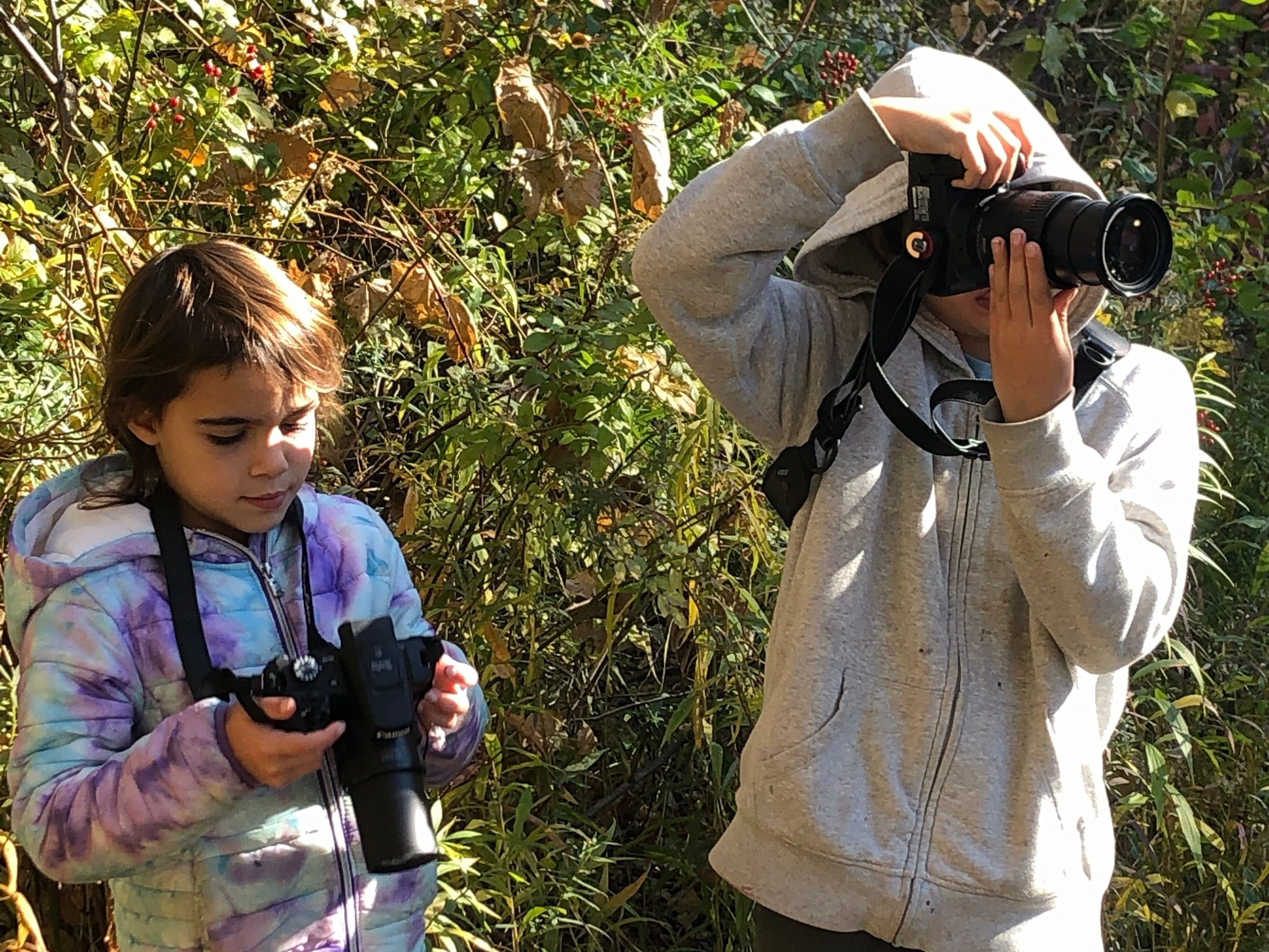
Our current child rearing norm is for children to be in institutional care (childcare or school) from a very young age, for at least thirty hours a week for most weeks of the year. What an amazing opportunity!
What if we stepped back from the systems we have and considered the situation anew? Who do we know children and youth to be? How do they naturally develop? What do we think the world will need from them as adults? . . . I wonder what pedagogy would arise?
Here’s what we have: Children segregated by age, with a change of classmates and teacher each year. A teacher giving lessons, preferably very entertaining ones. A culture of conformity, of doing tasks at a time dictated by the teacher (math time, spelling period). A detailed, year-by-year curriculum that a student moves along regardless of mastery. Testing to demonstrate the effectiveness of the teachers and schools as well as the academic level of the students.
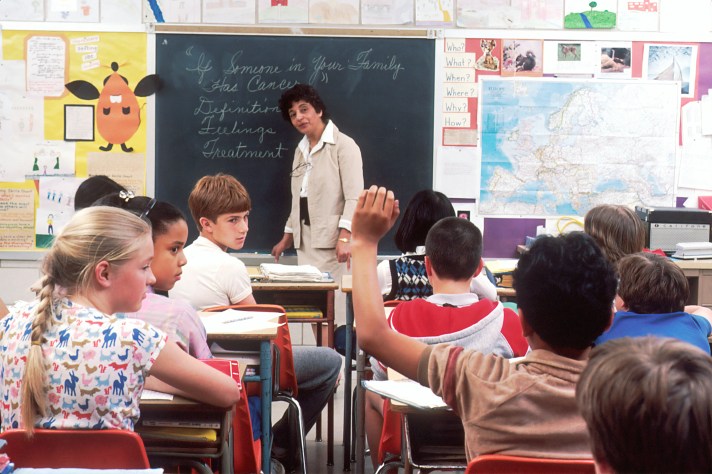
This paradigm can reward conformity; value being best and undervalue doing your best; undermine the perseverance that comes seeing failure as a natural part of learning; encourage individual success over offering and accepting assistance. Teachers do their best to support students individually and to develop cooperation and exploration, but they are hampered by a system that was designed to do neither.
Maybe what we envision will be similar to what we have now but maybe not. There are different pedagogies and innovations in use now that may point a way forward. Perhaps there are possibilities that haven’t yet been dreamt. As difficult as it is to look beyond the current pedagogy, I believe it is possible and that is my active hope.
The website Convening Education Change is this hope materialized, an opportunity to challenge our thinking, share what is being done, and offer opportunities for dialogue and action.
If this resonates with you I hope you’ll drop by and join the conversation.
