By Pat Gere
First let me say that I’m always apprehensive when I’m looking at anything from an either-or mind set. It’s a prevalent mindset in my Western culture and can miss so many nuances – nuances that matter deeply, like the culling and then return of wolves to Yellowstone and the deep impacts each had. Life is more like an ecological system with deep, intricate patterns than it is a grocery aisle where you pick this or that. Still either-or can help us have clarity in choosing. Do we really want the cinnamon, sugar-coated ready-to-pour-and-eat cereal with ingredients we can’t pronounce or should we choose the rolled oats – simple ingredient and greater flexibility but more time intensive?

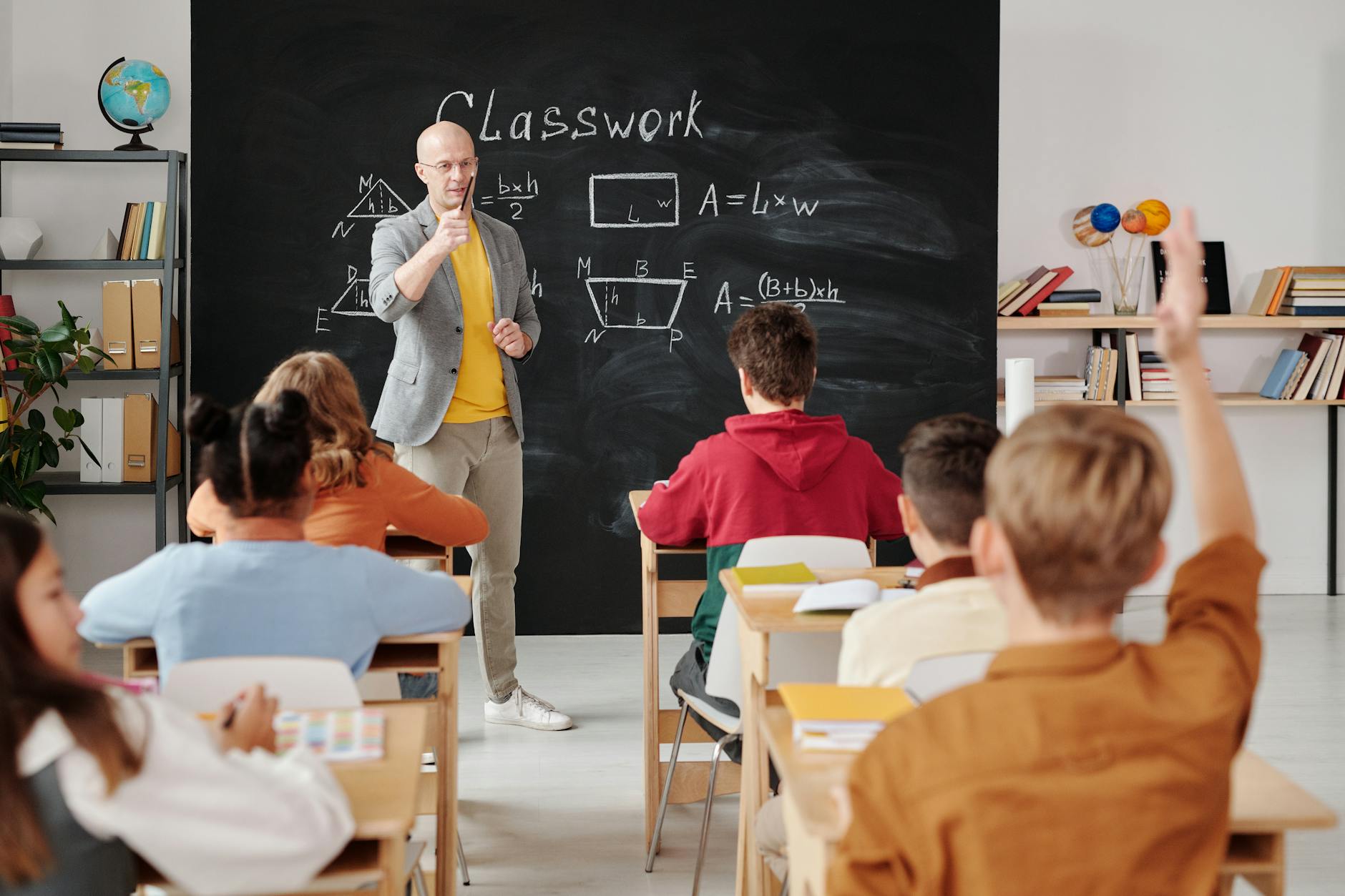
Our current educational system is built on a curriculum-centered model. This made sense when it began in North America. Youth spent most of their time at home helping their parents on a farm, in a small store or business enterprise, or at home with a big family. Schooling was a limited part of children’s lives, dedicated to reading, writing and ‘rithmetic. Strict discipline kept everyone in line.
Now youth spend less and less time with their parents and in their parents’ lives, and schooling has taken on a greater and greater role in their growth and development. But the model hasn’t changed to accommodate that. There is more curriculum – history, geography, sciences, second languages, IT, etc. There are more add-ons – values of the month and extracurricular clubs and sports but the model of curriculum centricity has not changed.
The result is the type of classroom I described in my last post – sage on the stage, do what you’re told, when you’re told; get as many ‘A’s’ as possible; a scarcity mentality where only one can be best. It is not an efficient way to learn, or to teach. It does not provide the non-intellectual skills that humans need to exist together on this planet.
There are significant, troubling outcomes of curriculum-based education in today’s world. Youth who know how to use YouTube and ChatGPT but don’t know how to care for themselves, so much so that several universities are adding courses to help youth learn basic practical life skills such as how to shop and cook for themselves, do laundry, manage finances. (‘Adulting 101′ programs help Gen Z catch up on key life skills, CBC The Current, May 24, 2025) Now this isn’t all schooling’s fault. ‘Gentle parenting’ and protection bears a part but schooling takes up more of a young person’s time and energy and being curriculum centred does not help fill in the gaps.
Also, curriculum-centered education keeps young people with their age mates for the most part, so young people spend less time than previously with different ages. There are fewer older or younger siblings and sibling friends to hang out with, less time with a new baby or toddler, fewer ‘old folks’ at home or in the community. In fact, less time in community at all. Again, not a fault of the schooling but these are experiences young people used to have but don’t have now, that a different, more flexible type of schooling might help address.
And even if a teacher in this curriculum-centered system saw and wanted to respond to young people’s needs, they rarely have been prepared by their own schooling to do so. The credentials required for teaching focus on teaching curriculum, classroom management, navigating the profession of teaching but, at least in Ontario, there is no requirement to learn about human development – the physical, intellectual, emotional and social characteristics that humans have at different stages. How can a teacher respond to the missing pieces of their students’ lives if they don’t know what they have to work with?
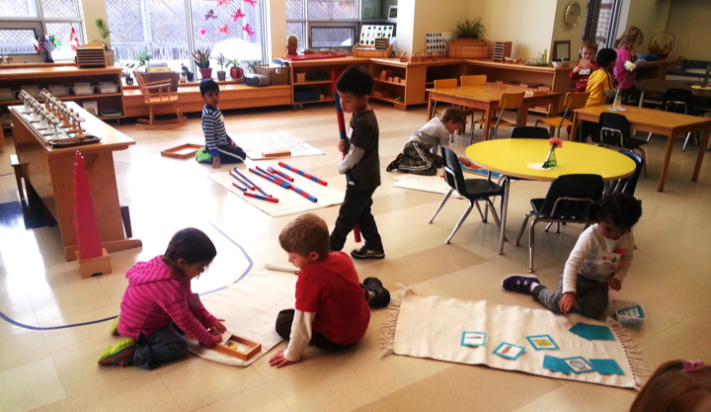
One growing alternative to curriculum-centered education is learner-centered programs. The curriculum still exists in learner-centered programs. These are not do whatever you want programs, but programs that take as a focus the learner and the environments that the learner is a part of – the natural world, their physical location, their community, From that focus comes a spark, an activity that engages and enlivens the learners so that they learn curriculum from their deep, innate drive to become competent humans. Since learner-centered education responds to the needs of learners and the resources available in their communities, it embodies more opportunities to respond to the complexities that make up our human life.

More and more we humans are becoming aware of our place in the world. We are part of a complex system, a complex system of complex systems. We have enormous power and if we hope to survive we must deeply understand and appreciate the complexity of the systems we impact, and we impact everything, all the time. We must also have a sense of how this power in embodied in ourselves and our fellow humans so we don’t become overwhelmed, distraught and disengage.
Climate change, wars, extinctions – we humans have created disasters with our power but we also have enormous opportunity to prepare our young to handle power and create positive change. It exists in the special human power of adaptation. Each human generation adapts to the world that exists around it, to the culture and world that exists around the infant/child as they grow, to the child rearing practices we use, and to the education system they experience. Today’s world needs an education system that takes as its basis not the curriculum to be taught but the learner and the ecosystem that that learner is to be a part of. An education system that can do more – by responding to the individual and by layering the teaching of curriculum with ways of being in the world and with one another. A system that is flexible to the times and the individual learners so that we, humanity, can maximize the gifts each individual brings to create the ecosystems that sustain us and the world of which we are an integral part.
We’ve seen changes in schooling come and go: open classrooms, phonics, whole language, rote math, new math, new curriculums. What we need is a deeper, more all-encompassing change, a change in underlying assumptions and goals, a change in paradigm away from curriculum-centered to a more responsive model. A model that capitalizes on the fact that how we educate is as important as the curriculum we teach; a model that recognizes that we learn more deeply through experience than mere instruction. We must educate our young people so they know who they are and how to care for themselves; so they value the richness of community and society; so they understand the importance of their roles as citizens, world citizens; the importance of their best selves to the future.
Take a look at some alternative models including a brief overview of Montessori education.
Just adding skim milk to our processed cereal is not going to create the change we need. It’s time for a new education, starting with the basic foundations of human development and societal needs. It’s time for a paradigm shift and perhaps learner-centered programs are leading the way.